Search articles
Browse by category

Fire Risk Assessor Certification: Consultation
The Government is consulting on its commitment to introduce mandatory certification for fire risk assessors in the wake of the Grenfell Tower tragedy.


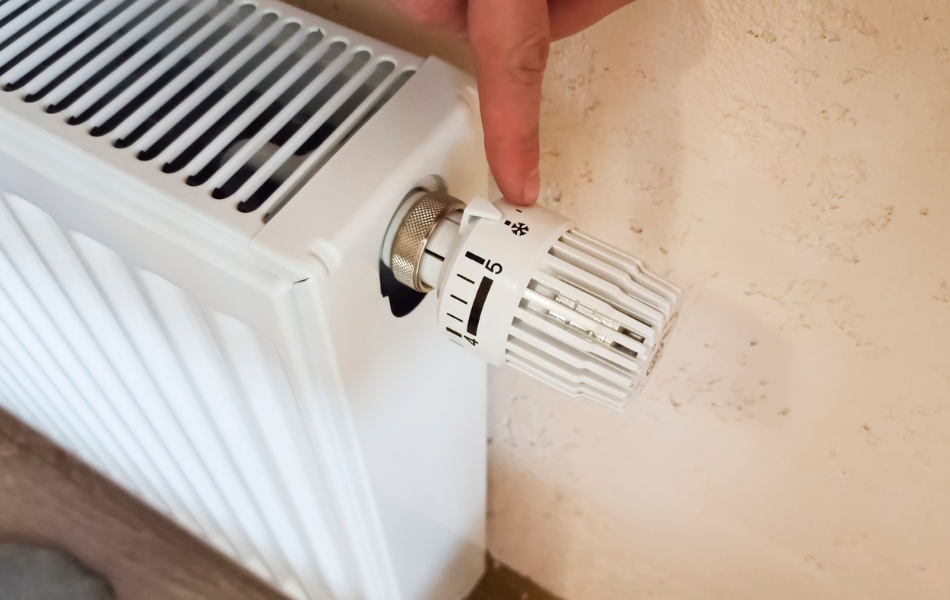
Heat network regulations: Getting ready for 2026!
The NHMF is working with The Heat Network to help landlords prepare for and comply with the new requirements.
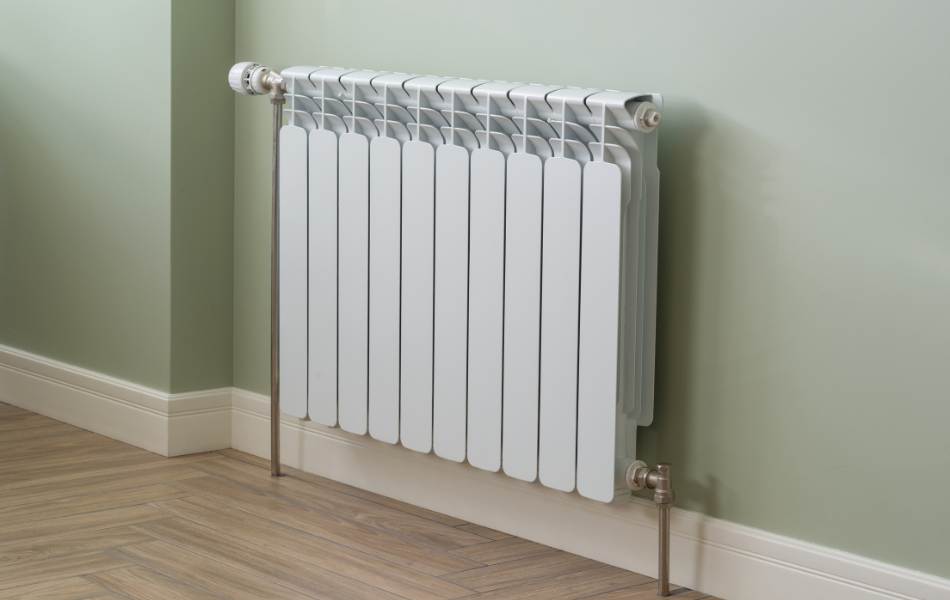
Heat Network Regulations
Everything you need to know about the heat networks regulation and what help is available
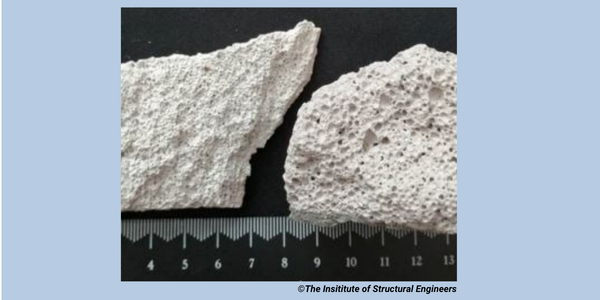
RAAC in Social Housing – keeping residents safe
‘Ensuring the safety of tenants and residents should be the highest priority for every Social landlord’.* While the RSH considers Reinforced Autoclaved Aerated Concrete (RAAC) is not widespread in social housing, landlords are expected to know where RAAC is present and its condition.
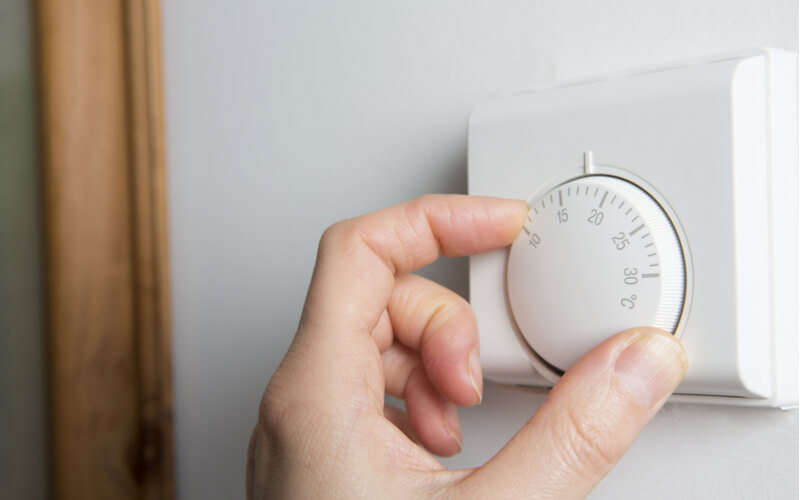
Communal - Heating
The Heat Network (Metering and Billing) Regulations 2014 came into force from 18 December 2014 but with certain regulations coming into force later. They were amended in March 2015 and in November 2020.
Heat Network (Metering and Billing) Regulations 2014 - Amendments November 2020
Complying with the Amended Heat Network (Metering and Billing) Regulations 2014 – Q&A briefing

Summerland to Grenfell - 44 years of un-learning
The death toll of the Grenfell Tower fire makes it one of the worst peacetime building fires of the last hundred years, not only in the United Kingdom but in the whole of Western Europe. Of these, it is the only one that was in a residential building.

Lift modernisation or lift replacement?
The question many clients ask is what is more cost-effective, lift modernisation or replacement?
Communal - External
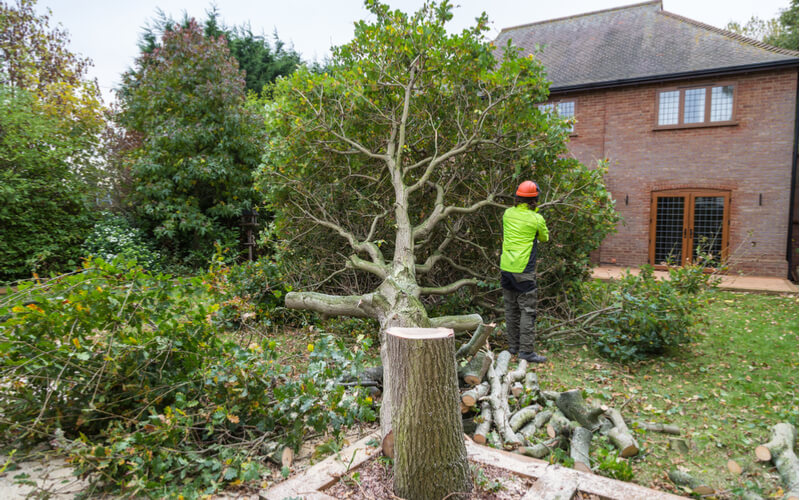
Tree Management - Should include an up-to-date tree survey and risk assessment showing the location and condition of any hazardous trees (see NHMF 2015 Bulletin). Maintenance of trees, any work should be carried out to a minimum of BS 3998:2010 Tree work recommendations, with advice published by the Arboricultural Association.

Lift maintenance and access equipment
This guide covers social landlords’ responsibilities for maintaining passenger lifts, access equipment and home adaptation equipment, such as hoists, stair lifts and vertical lifting platforms (‘through the floor’ lifts).