Search articles
Browse by category

Resident safety - Introduction
The safety of tenants is paramount and should be the primary concern of all landlords.


Homes (Fitness for Human Habitation) Act 2018
The Homes (Fitness for Human Habitation) Act 2018 (“the Homes Act”) applies to dwellings let wholly or mainly for human habitation (in both the social and private rented sectors)
Fitness for Human Habitation Act 2018: Q&A briefing May 2019
An amendment to the Landlord and Tenant Act 1985 that requires all landlords (private and social) to ensure that their properties, including any common parts of the building, are fit for human habitation at the beginning of the tenancy and throughout.
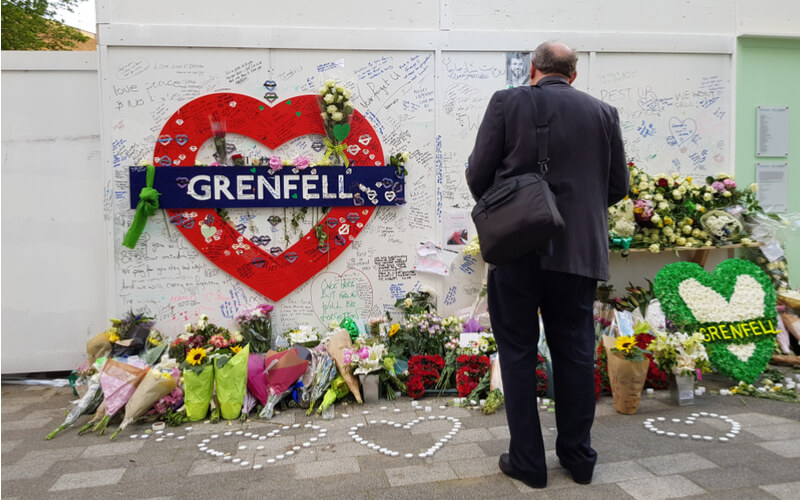
Summerland to Grenfell - 44 years of un-learning
The death toll of the Grenfell Tower fire makes it one of the worst peacetime building fires of the last hundred years, not only in the United Kingdom but in the whole of Western Europe. Of these, it is the only one that was in a residential building.

Electrical safety
This guide covers social landlords’ responsibilities for electrical safety, including communal areas, such as, entrance halls and foyers, lifts and stairwells, corridors and landings, as well as external areas, such as parking and refuse areas.

General Health & Safety requirements
The basis of UK health and safety law is the Health and Safety at Work etc Act 1974 (HSWA).
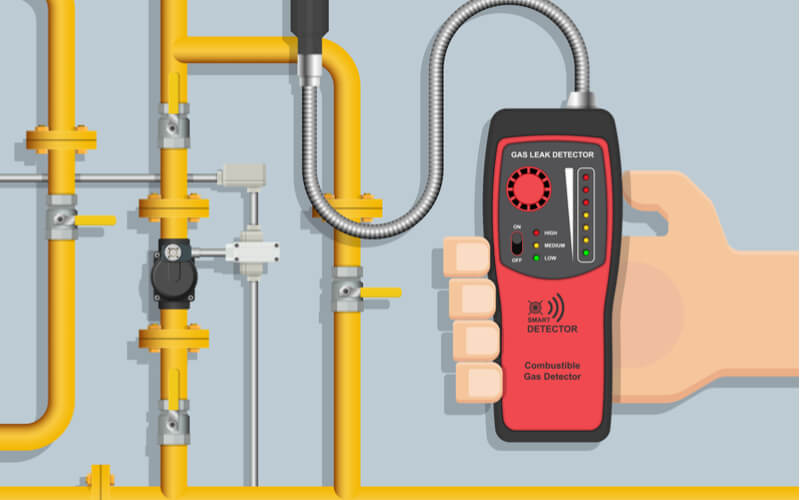
Gas safety, heating and hot water
This guide covers social landlords’ responsibilities when providing heating and hot water to residents, whether this is by individual property-based systems, such as domestic gas boiler or by communal systems, including district heating.

Primary Authority changes
New arrangements for the operation of Primary Authority Partnerships were introduced from 1 October 2017.

LPG gas safety
Any business which operates an LPG installation has responsibilities under the Health and Safety at Work Etc Act (HSWA) 1974 to ensure that the installation is safe to operate and does not present a risk to their employees and members of the public.